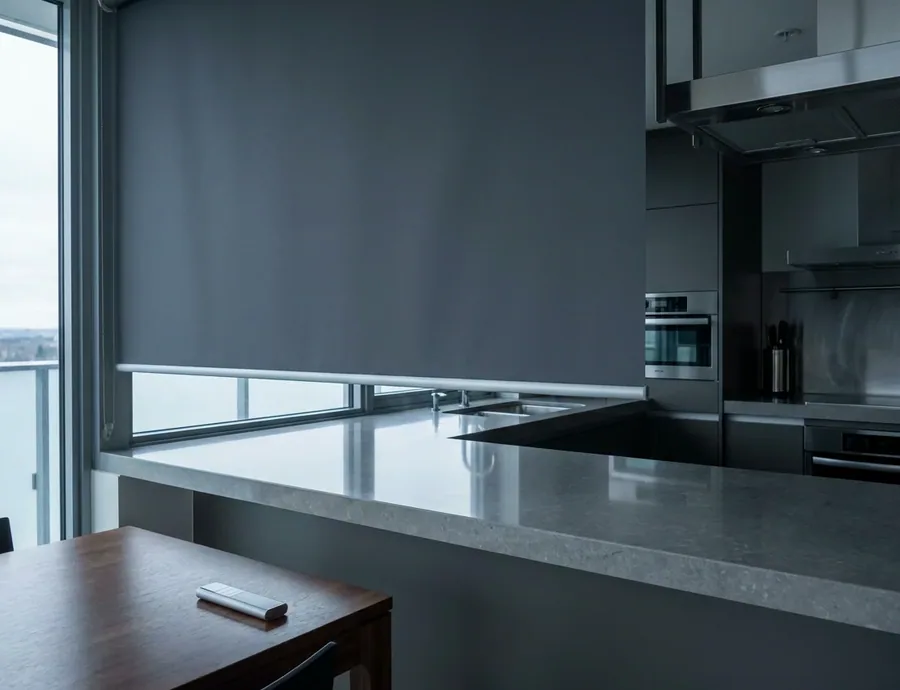
Motorised Blinds & Home Automation
A tubular motor sits inside the blind roll itself — no visible box, no extra bulk — and from there every blind in the house can answer to a remote, a wall switch, a phone app, a schedule or a sensor. On a home the size of a typical Atholl stand, with a wall of glass onto the garden, a stairwell void two storeys high, or a run of six windows across one living room, motorisation stops being an upsell and starts being the only genuinely practical way to operate the shading at all.
Retrofit projects generally run on rechargeable battery motors — no wiring required, charged every few months, the default for older homes where chasing cable into an existing bulkhead isn't worth the mess. New builds and full renovations more often specify wired 220V motors: permanent, no charging cycle to manage, and the right choice for heavy or exterior systems where an electrician is already on site and the wiring can be planned in from the start.
Control layers stack from simple to genuinely smart: a single multi-channel remote that runs every blind in the house; an app that lets you check "did I leave the west blinds up?" from the office; schedules that open bedroom blinds with sunrise and drop the west-facing ones at 3pm in midsummer; and sensors that do the thinking for you — sun sensors lowering shading automatically on a hot elevation, wind sensors retracting an exterior awning or screen before a highveld thunderstorm gets the chance to do damage.
Honest expectations
No dangling chains anywhere in the house is the single biggest child-safety upgrade motorisation offers — nothing to reach, nothing to loop. Quality motors are quiet rather than silent, and carry multi-year guarantees as standard. Battery motors do need that periodic recharge; we'll set the expectation plainly at quote stage so it's never a surprise later.
What motorised shading costs in Atholl
There is no single rate for automation, because a motor is put on a product and the product is what the price answers to. Across this range, motorised shading runs roughly R2,500 to R7,500 per square metre installed. Motorise a blockout or sunscreen roller and it is R2,500 to R3,800 per square metre; a motorised aluminium venetian at R2,500 to R3,600; a motorised timber venetian at R3,000 to R4,500; a ceiling-recessed system at R3,200 to R5,000.
Those bands already carry the motor, the remote or app control and the setup visit. These bands are for planning only. A short window carries a minimum charge, because the brackets, tube and fitting labour barely shrink with the opening, and the real figure for each window is worked out at the free measure and confirmed in writing.
You might also be considering
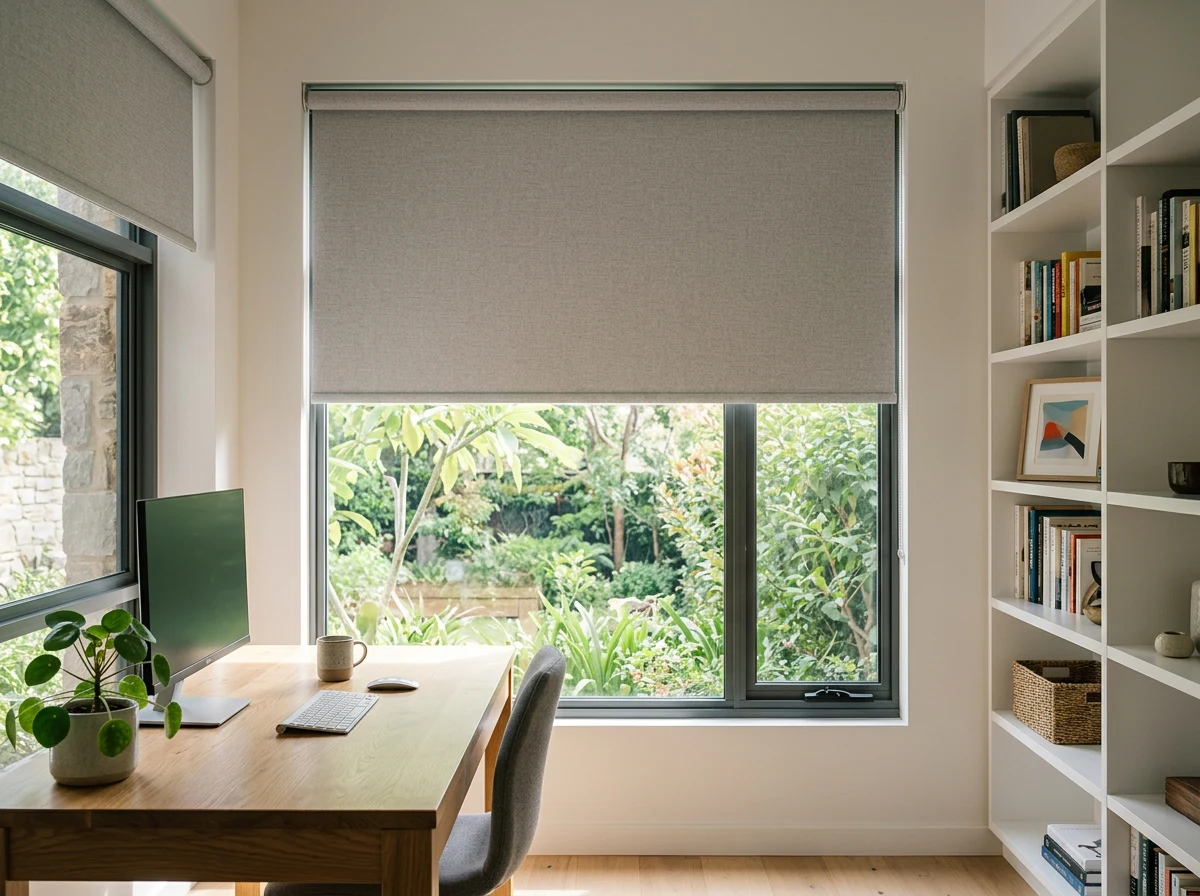
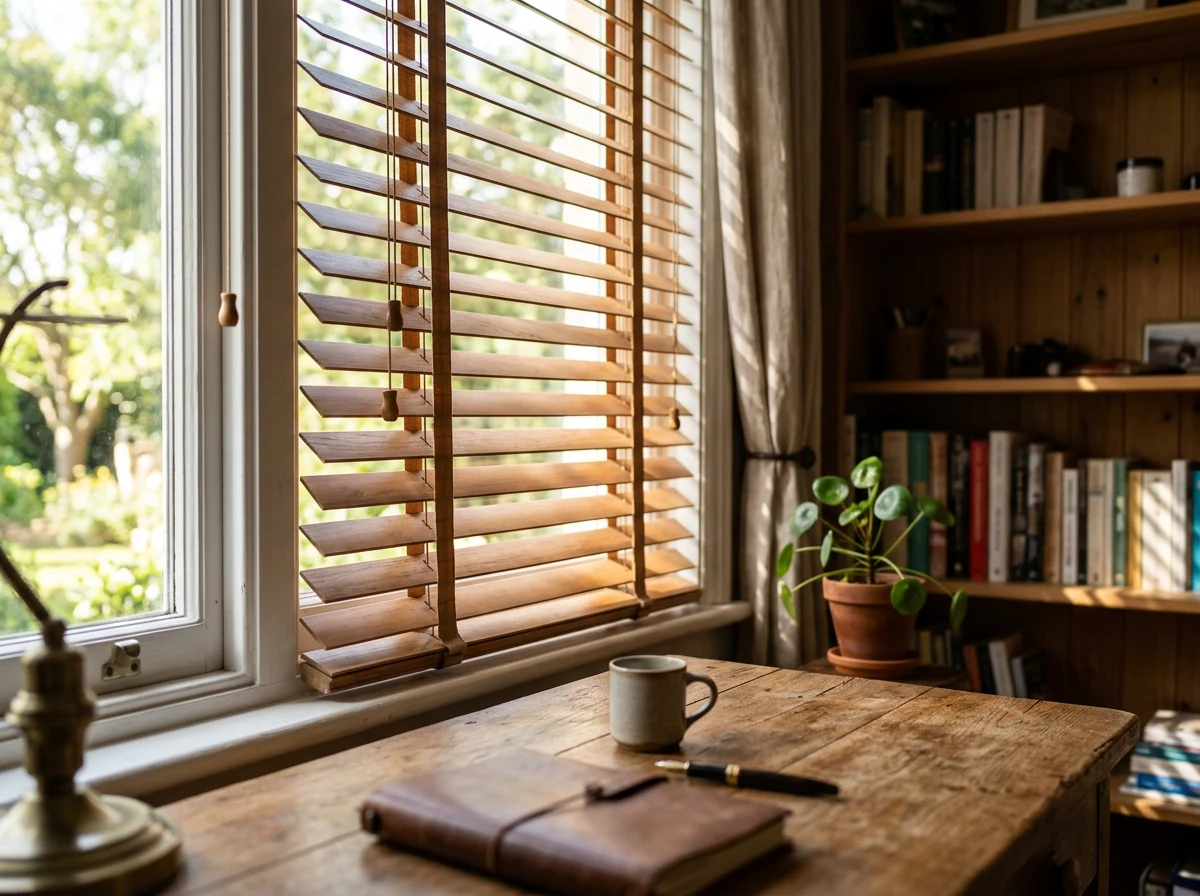
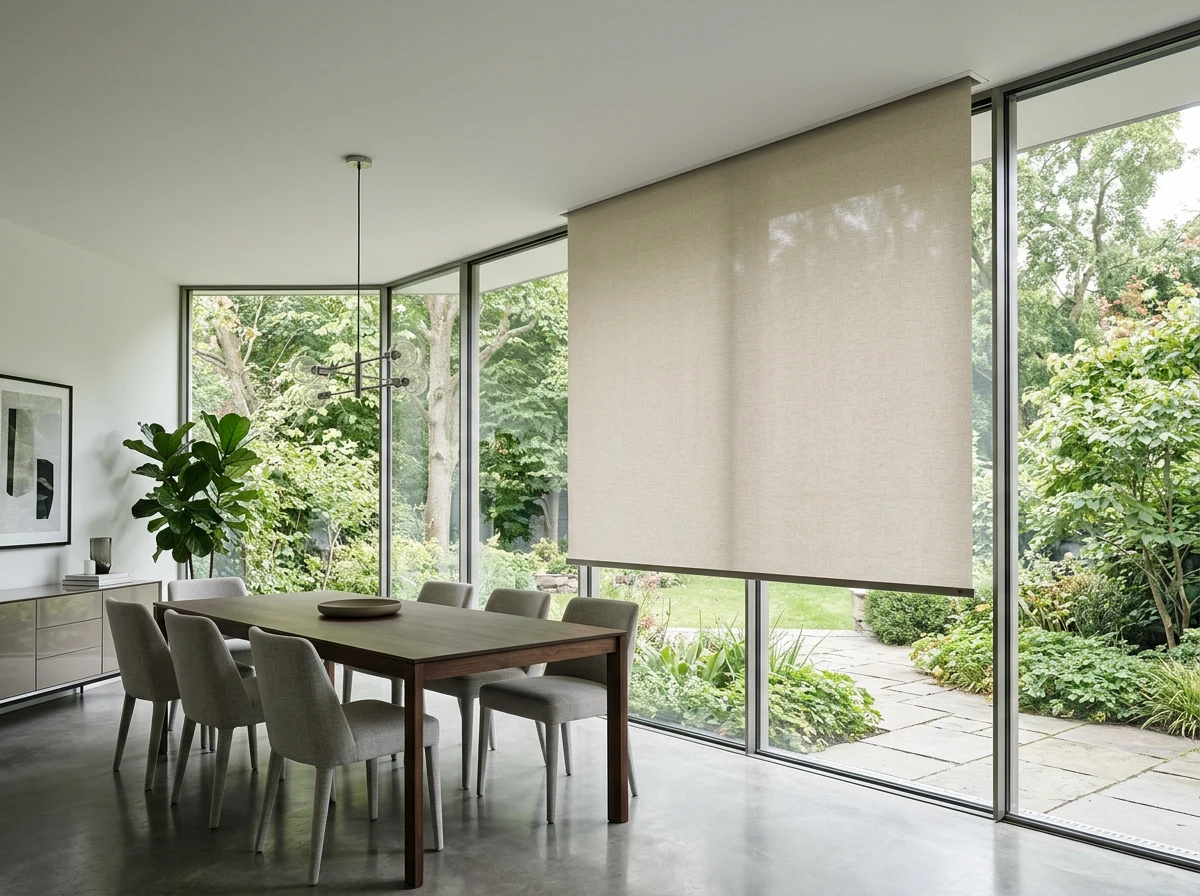
Motorising blinds and automating whole houses across Sandhurst, Hyde Park, Morningside and Melrose.
Plan your automation at the free measure.
Tell us how many blinds, and whether it's a retrofit or a new build — we'll spec battery or wired accordingly.
Book Your Free Measure